

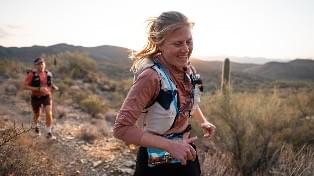
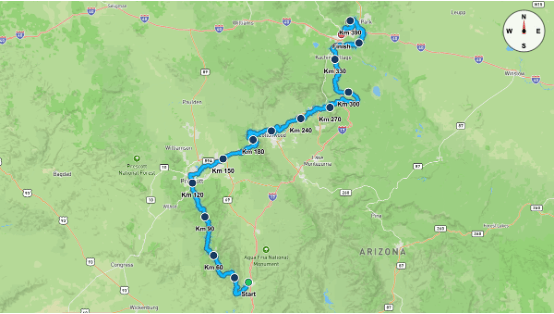
On May4, 2026, 34-year-old Rachel Entrekin stood along with 400 other runners at the start line of the Cocodona 250, a race that runs 253 miles through the Arizona deserts. Over the next 56 hours, Entrekin fought through the extreme temperatures, the staggering 40,000 feet of elevation changes, and virtually no sleep to cross the finish line first, faster than any other runner, male or female, setting a new course record
The impressive feat often left many, particularly those unfamiliar with the sport, wondering why. Why would one attempt a feat so physically and mentally demanding? This is a fair question, and the answer may be more complicated than you might think.
A marathon is approximately 26.2 miles, or 42.2 kilometers; it has been estimated that less than 1% of the world will run a marathon in their lifetime, and even fewer will complete it. An ultramarathon, as the name suggests, is a race of any distance longer than a marathon. These races commonly range from 50 kilometers to races that span over 250 miles.
Some ultramarathons don’t compete over a certain distance, but rather a set period of time. In these ultramarathons, the winner is the person who covers the most distance over that period of time. Besides these two main formats, there are other outliers, such as “Backyard ultras”, which do not have a set distance or time.
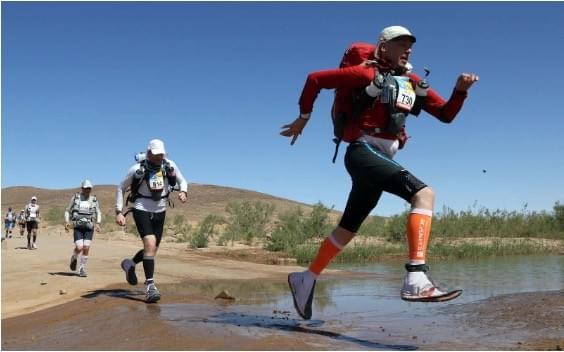
Most ultramarathons take place not on roads, but on trails, often through mountains and deserts. The unpredictable terrain and weather conditions, along with other factors, makes ultramarathons far more difficult than a regular marathon, requiring much more technical training. The distance of ultramarathons requires superb endurance from the runners, with many participants of these races running through the night, only stopping occasionally at aid stations to resupply and refuel.
Aid stations are the backbone of ultramarathon racing. Spread out every 5 to 15 miles along the course, these stations provide runners with food, water, supplements, and medical supplies. In some races, runners often compete with a support crew following them; these people drive between stations, providing the runners with extra gear, supplies, and encouragement. During ultramarathons, simple energy gels and sports drinks are simply not enough. Runners often consume full meals during these races in order to fuel themselves. Aid stations help provide foods such as mashed potatoes, ramen noodles, sandwiches, and broth.
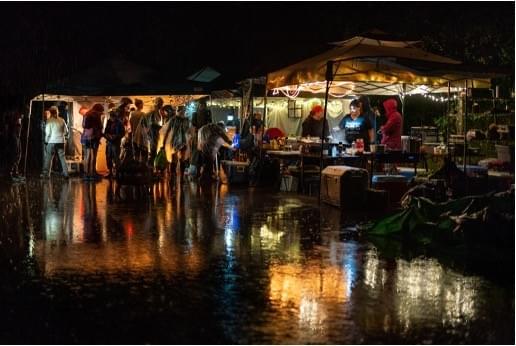
In races that span overnight, sleep becomes something the runner must account for. In a 100-miler, a runner may be able to push through without any sleep. On the other hand, a 200-miler forces runners to strategize. Most people aren’t able to complete the race without sleep, so one must decide when to sleep and for how long. Too little sleep, and one might hallucinate and become sluggish; too much, and one might lose important time that puts one out of contention.
Unlike many sports, where the athletes who compete are often in their 20s and 30s, ultrarunning tends to put a stronger emphasis on experience over age. Many competitive runners are in their late 30s and 40s.
This sport has grown rapidly in the past few years, from a niche pursuit to a mainstream event. Certain popular races sometimes receive too many entries and are forced to turn away thousands of qualified participants each year.
But why? Why do people compete in these events?
The truth is, this answer is different for everyone. For some, it may be a “bucket-list” goal they’ve been dreaming about completing. Others may be seeking a truly challenging race, one that pushes their endurance to the maximum, something their local 5k or a traditional marathon simply cannot satisfy. For many, it is their love for running and being surrounded by nature.
However, given the physical and mental demands of ultramarathons, being different from traditional sports, a common theme arose as a motivator for many – competition with yourself rather than others. In a sport so grueling, where many wonder if they’ll even finish, much less win, the focus shifted from competition with others to a competition with yourself. UTMB winner Katie Schade described, “While racing, it often feels more like a ‘we’re all in this together’ approach rather than me vs. you.”
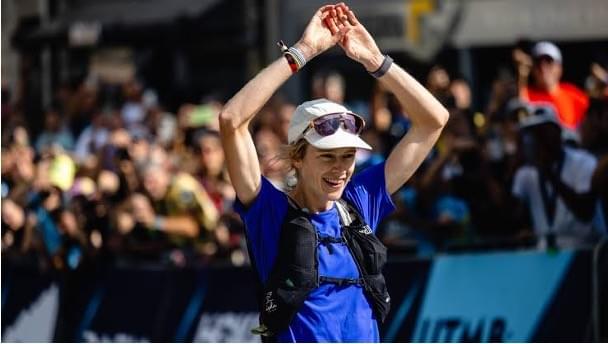
There is a strange sense of togetherness forged from the suffering runners endure, and perhaps this shared suffering is the very reason for many. Not for the records, not for the trophies, but the discovery of, through miles of pain and suffering, what you are truly capable of.